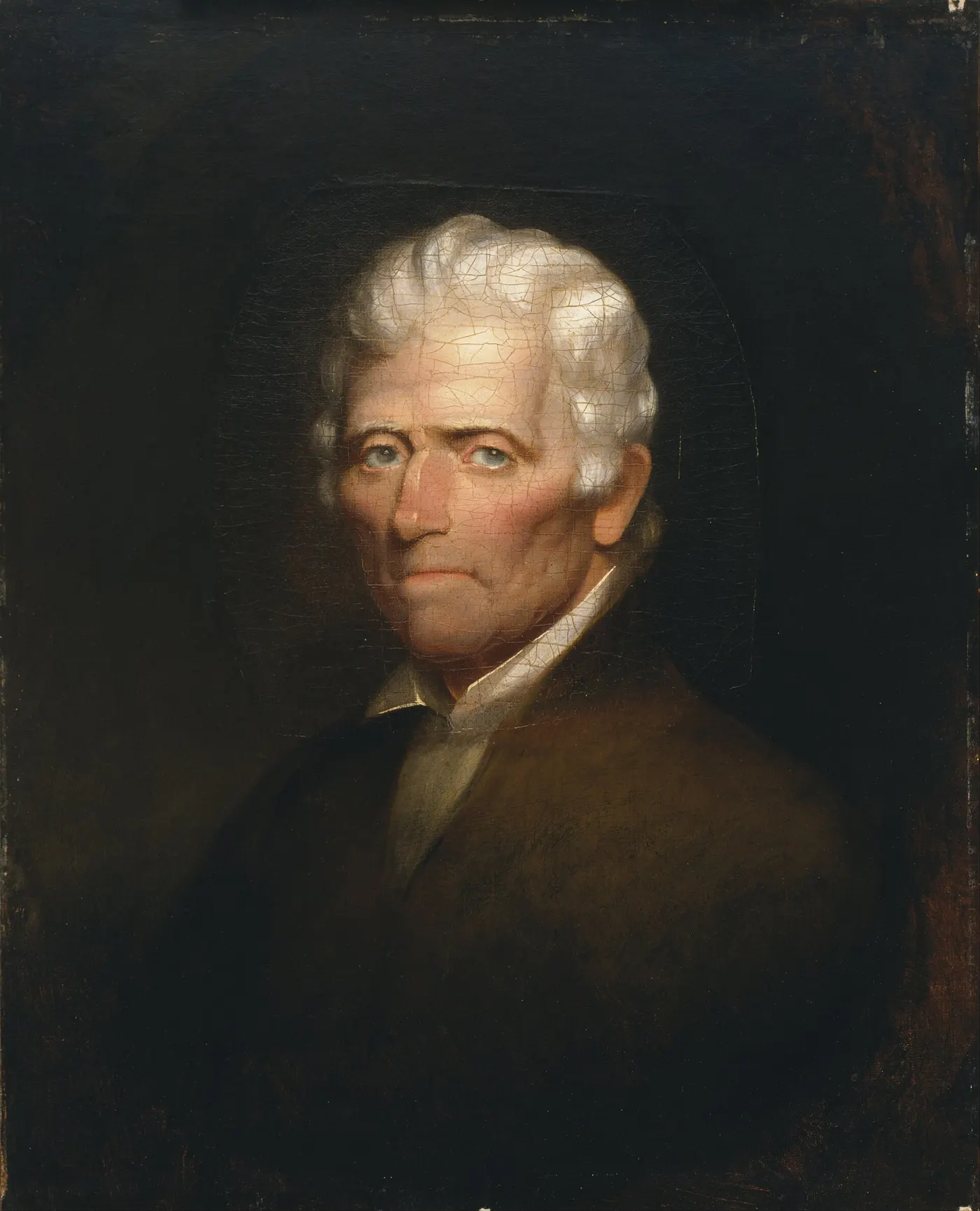
Long before Johnson County had towns or roads, its valleys and gaps were crossed by paths used by Native Americans, traders and hunters. According to the Tennessee Encyclopedia, Daniel Boone hunted and explored the area between 1761 and 1769, years before he became famous for opening the way into Kentucky.
The Trade Gap
One of the county’s first settlements grew up at Trade, where a buffalo trail and wilderness trails met. A Tennessee Historical Commission marker there, titled “The Trading Ground,” explains that the gap on the overmountain Indian trail was used as a barter site by Indian traders before settlement, and that Daniel Boone, James Robertson and other pioneers later used the Trade Gap. The Tennessee Encyclopedia notes that the name Trade itself recalls its importance as a meeting place where settlers, frontiersmen and Native Americans swapped goods and stories.
Another early settlement grew on Roan Creek, where pioneer John Honeycutt built a cabin and entertained both Daniel Boone and James Robertson.
The Boone Trail
Boone’s name still marks the landscape here. A “Boone Trail Highway” marker stands in Johnson County at Laurel Bloomery, on Tennessee Route 91, recalling the historic route of Boone’s travels.
Sycamore Shoals and the Overmountain Men
Downstream on the Watauga River, near present-day Elizabethton, Sycamore Shoals was at the center of frontier history:
- 1772: settlers formed the Watauga Association, one of the first constitutional governments west of the Appalachian Mountains.
- March 17, 1775: Richard Henderson and Daniel Boone negotiated the Treaty of Sycamore Shoals, in which Henderson’s Transylvania Company purchased a large part of present-day Kentucky and part of Tennessee from the Cherokee.
- 1780: during the Revolutionary War, the frontier militia known as the Overmountain Men mustered at Sycamore Shoals before marching across the mountains to victory at the Battle of Kings Mountain.
Visit
- The Trading Ground marker is in Trade, at the intersection of U.S. 421 and Tennessee Route 67.
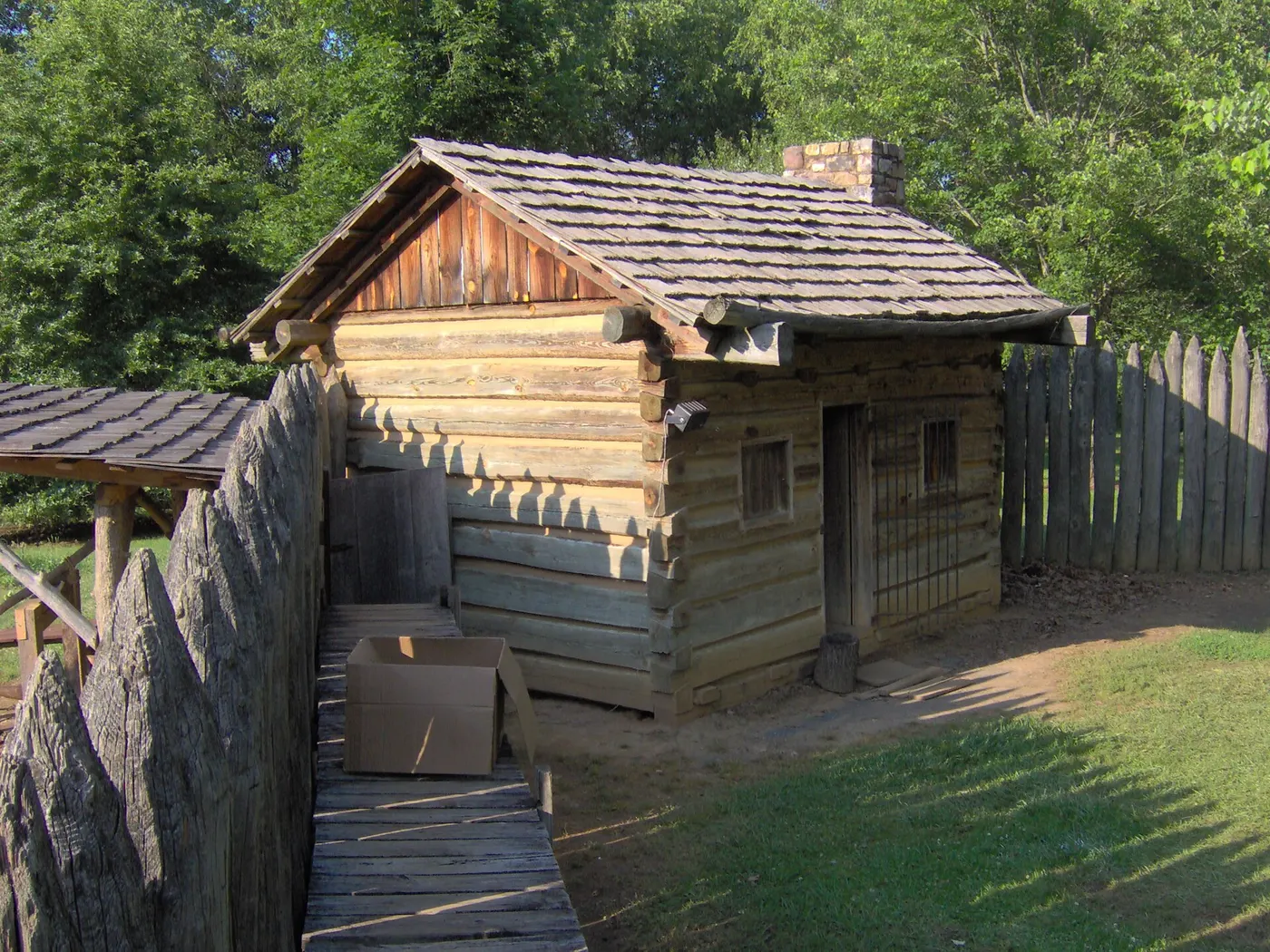
- Sycamore Shoals State Historic Park in Elizabethton has a visitor center and museum and the reconstructed Fort Watauga.
Do you have family stories, old photographs or corrections to share about Mountain City’s history? We’d love to hear from you. Contact us.
Sources
- Tennessee Encyclopedia: “Johnson County” by Jewell Hamm
- Johnson County, TN: History of Johnson County
- Tennessee Historical Commission marker: “The Trading Ground” (via HMDB)
- “Boone Trail Highway” marker, Laurel Bloomery (via HMDB)
- Tennessee State Parks: Sycamore Shoals State Historic Park
- North Carolina History Project: Watauga Association